Branches of Philosophy (in javascript)

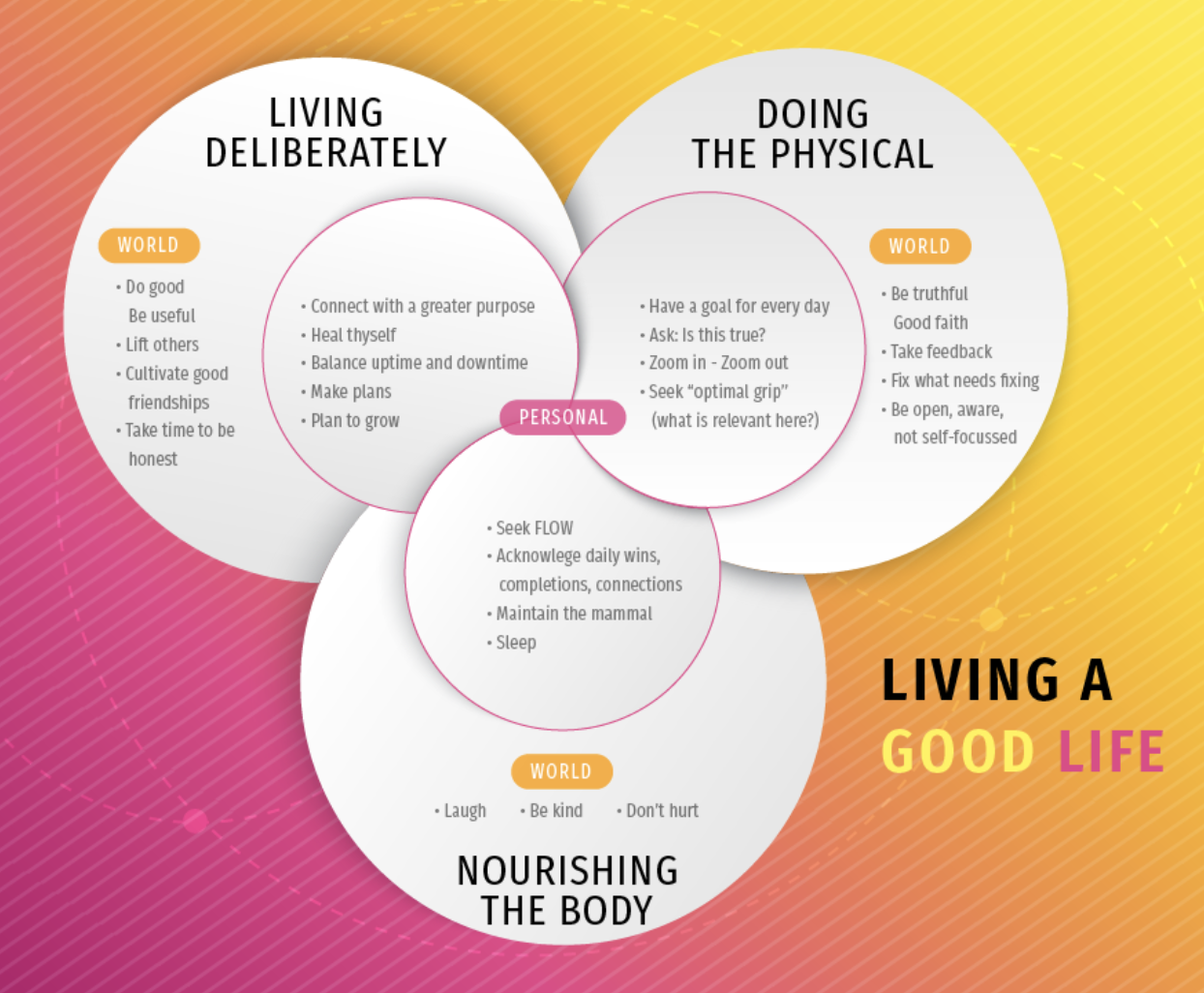
Ethics and Virtues
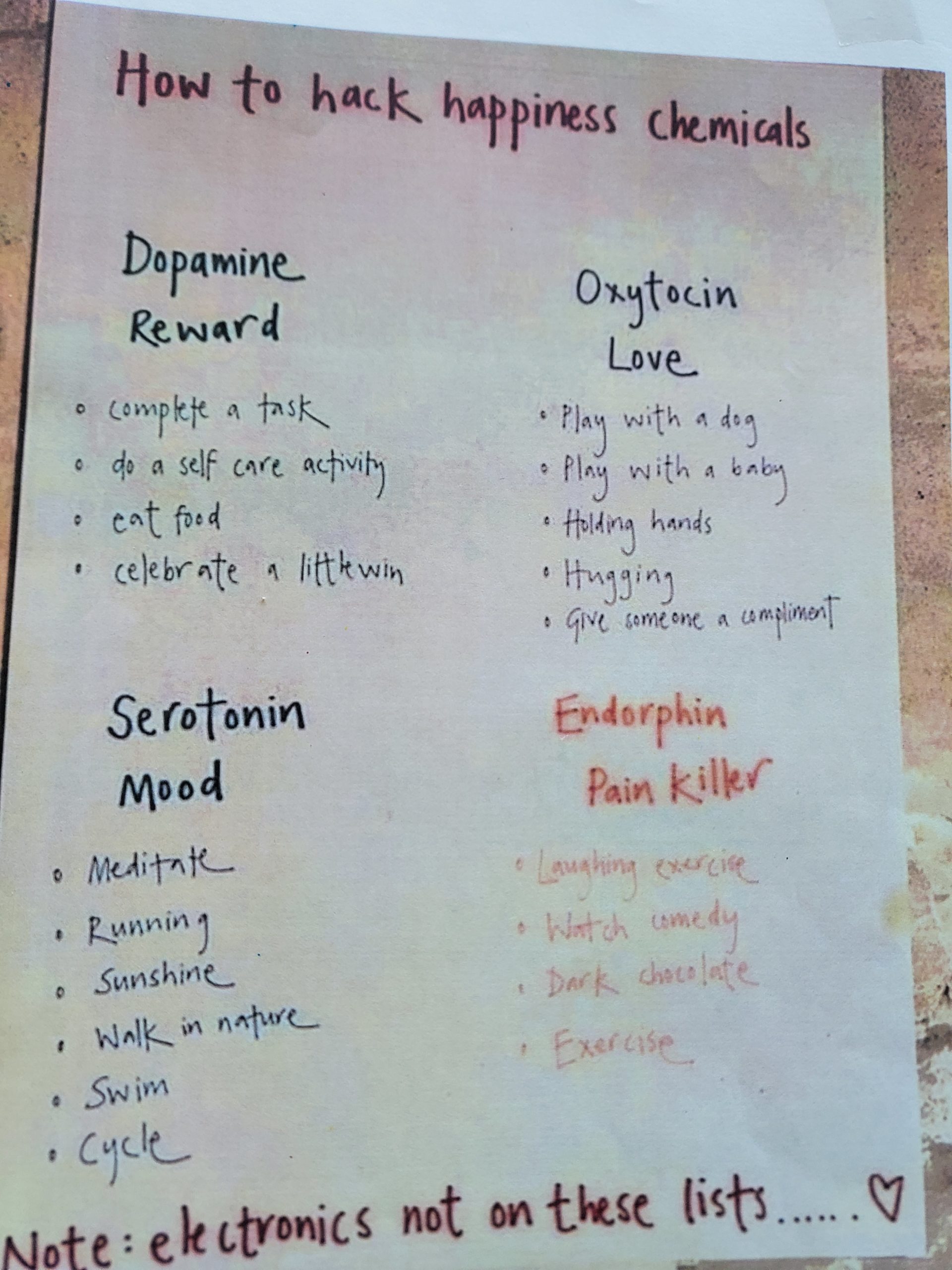
Hedonic Treadmill and the Chemical Orchestra
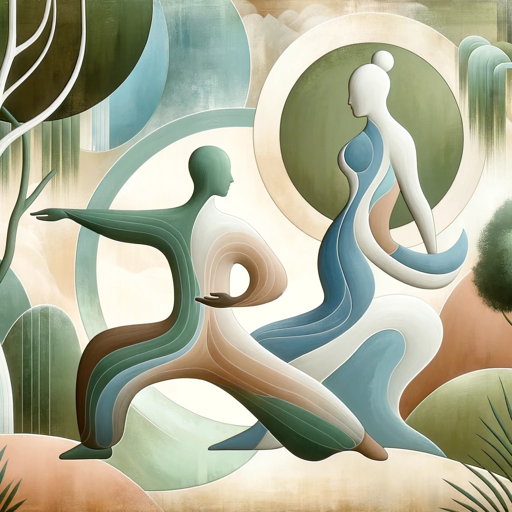
taiji chatbot
Generative AI warnings cont’d
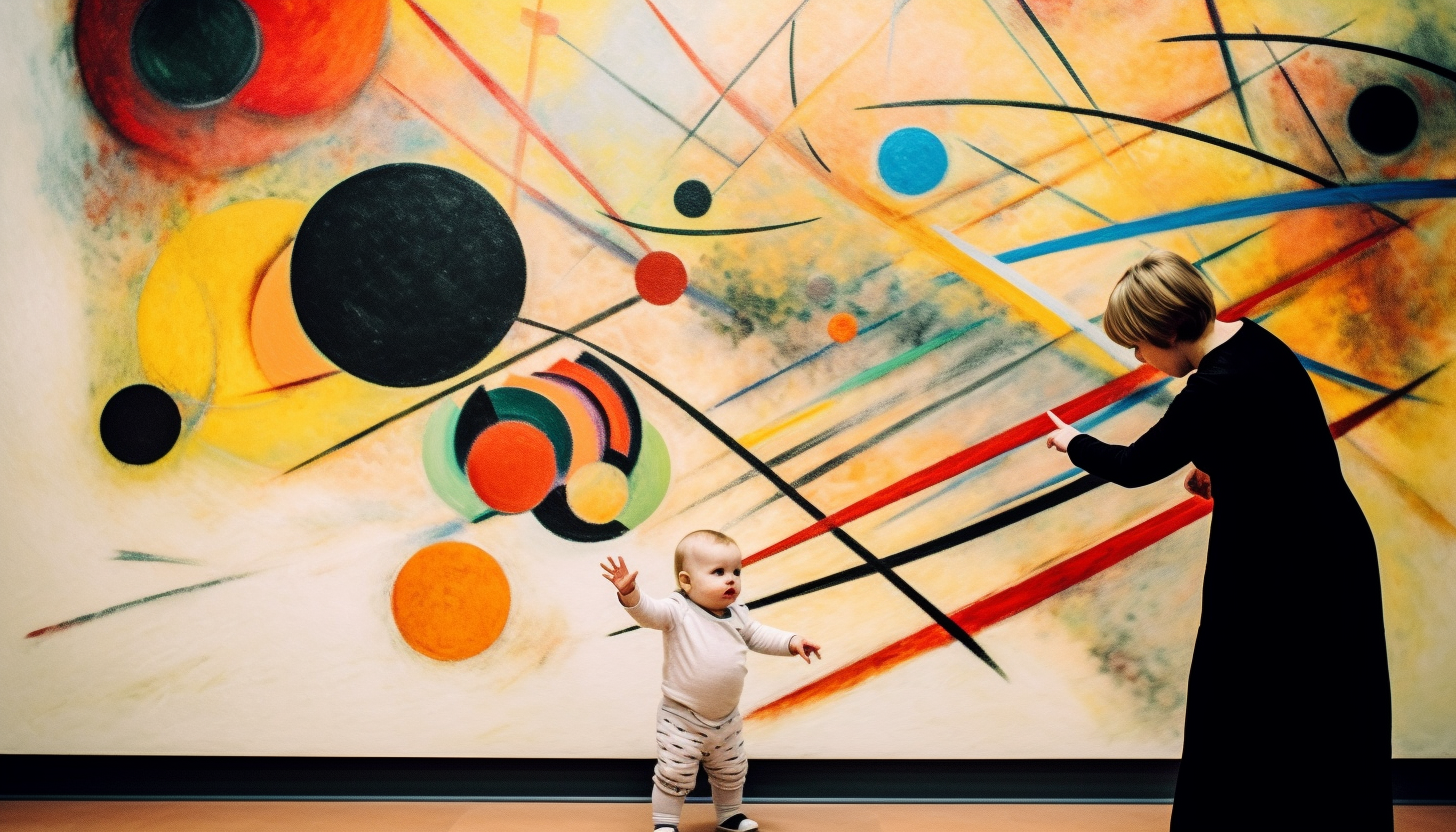
It was a heavy hitting week for humanity scale concerns and generative AI warnings. Heavy hitting, not because of the usual media churn but because of the actors and the emerging clarity. Warnings focussed, not about imminent AGI, but what we already know is going on – social manipulation for power and profit.
- Kamala Harris met with executives from several ai companies and told them they had a moral obligation – I’m sure US gov did the same for Zuckerberg several times. Right?
- Over a decade ago Yuval Noah Harari captured dinner party conversations by declaring the humble grain “had conquered humanity”. This week he declares the new conquerer to be LLMs that have parsed the world’s textual content and mastered the art of language and manipulated intimacy.
- It’s a credible claim: this week my mother choked up when I read her the short story from a previous post. This was after I disclosed it was written by a robot. It’s simply that the prose aligned strongly with her lived experience, that the writing resonated enough to evoke an emotional response.
- Harari makes this clear that democracy’s core strength and therefore weakness is communication. Anything that can hack that is no less than an attack on the benchmark of civilisation.
- He calls for regulation that demands (if not enforceable) that any AI communication be disclosed. The uncanny valley problem is being solved so dramatically that its plain to see its a (err) plain and not a valley.
- Microsoft’s chief scientific officer, Eric Horvitz shows worrying signs that Microsoft thinks their own ethics and safety teams can protect humanity – WTF. Some of us remember that Windows is the most successful malware distribution platform in the history of humanity – his comforting tone rings hollow.
- Horvitz’s hubristic antidote is to test in the wild, which is great for traditional open source software but also reminiscent of one theory of a certain biological pandemic we still live in 2023. What could possibly go wrong?
- Credit Horvitz that he does also call out that the immediate threat is GPT in the hands of nefarious people , organisations or countries. (More on that below).
- Horvitz is dismissive of the 6 month Pause letter and calls it a distraction. That is not going to age well.
- The blockbuster news event was “the godfather of AI”, Geoffrey Hinton going public following his departure from Google.
- His understanding of the issues Harari raised are so deep that he expresses the concerns in a few short quips. (Contextual humour may indeed be a human characteristic that is hard to replicate. Memes are easy but summarising the zeitgeist with brief wit is not ChatGPT’s forte).
- The big, big claim he makes is that human capacity to learn appears substandard in comparison to AI’s use of back-propagation is a better learning algorithm than what humans possess.
- AI packs more information into fewer connections. “That is scary”.
- He still believed the systems were inferior to the human brain in some ways but he thought they were eclipsing human intelligence in others.
- speed of transmission and communicability (see below – and an extra dimension to Harari’s point about communication).
- Multi-polar traps/arms-race
- Until last year, he said, Google acted as a “proper steward” for the technology, careful not to release something that might cause harm. But now that Microsoft has augmented its Bing search engine with a chatbot — challenging Google’s core business — Google is racing to deploy the same kind of technology.
- The best hope is for the world’s leading scientists to collaborate on ways of controlling the technology. “I don’t think they should scale this up more until they have understood whether they can control it,” he said.
- Bad Actors: “It is hard to see how you can prevent the bad actors from using it for bad things,” Dr. Hinton said.
- Hinton did not sign the recent “AI pause” letters.
Gems from Hinton
- Humans may just be a passing phase in the evolution of intelligence. Biological intelligence was needed to create digital intelligence. Then absorb everything written, then AI will move to direct experience of the world. Humans may be allowed to leave to keep the power stations running.
- Ray Kurzweil wanted immortality – it may turn our that “Immortality is not for humans”
- OpenAI has read everything that Machiavelli ever wrote.
- Currently AI IQ is: 80 or 90
- GPT-4 has Trillion connections and humans have 100 trillion connections
- Humans evolved to be power efficient – 30watts with lots of connections
- AI currently uses around a Mega Watt when training, but learns much more than humans
- Humans are poor at coordinating distributed processing because our brains are all different (the trained models). AI can orchestrate faster digital learning, the models and weights can be immediately shared across many nodes.
- Sentience doesn’t matter, its about AI using unintended subgoals – an obvious subgoal is “get more control”
- Humans setting the guardrail rules (later) for AI is like a 2 year old child negotiating with its parent.
When will pro-human/planet AI overtake manipulation?
In 2022 my team released an AI neural net plugin to our SurfControl email filter that was trained to detect possible inappropriate (nude) images in corporate emails. As an “applied” use of AI it was groundbreaking and exciting. As a product it was very good at detecting sand dunes and baby faces 👶. A neural net is the underlying technology that ChatGPT is built and attempts to copy how the brain works. Why was our neural net plugin inaccurate? It had 100s or 1000s of connections. GPT is rumoured to have a trillion and the human brain has 100 trillion connections. So the same plugin today could actually describe the picture in detail.
The AI of the decade preceding ChatGPT was not applicable for the masses, it was applied on the masses in the form of Netflix recommendations, song playlists and of course fake news. It is the manipulation of humans where AI found chasm crossing monetary value. The attention economy benefited few.
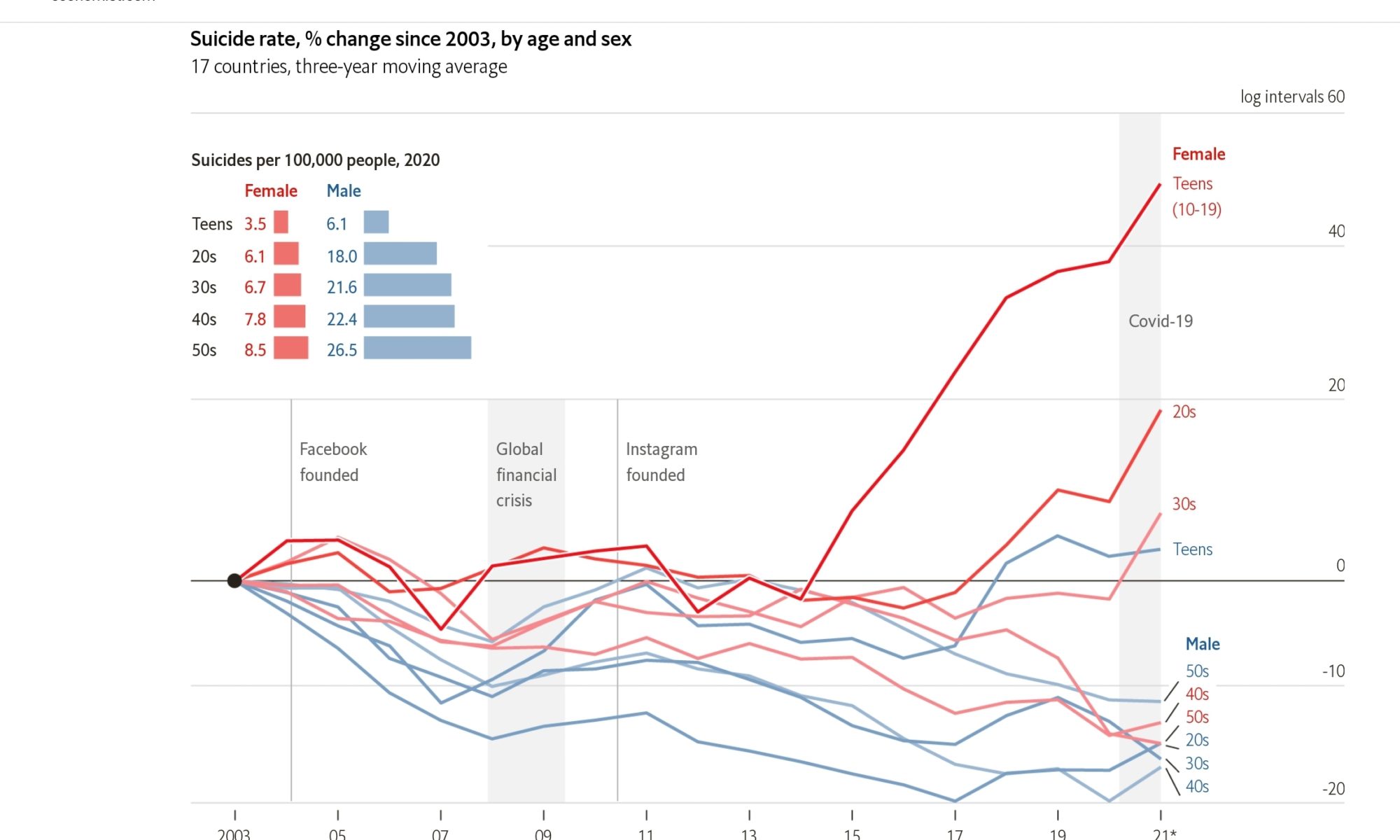
Amongst this week’s news which I cover in a separate post is this horrifying chart in the Economist.
It shows the urgency to addresss some huge problem in our western cultures – since 2015 there has not been enough pandemics or financial meltdowns to cause the alarming increase in teenage female suicide. In contrast its easy to surmise that smartphones and the visual social medias are creating the problem.
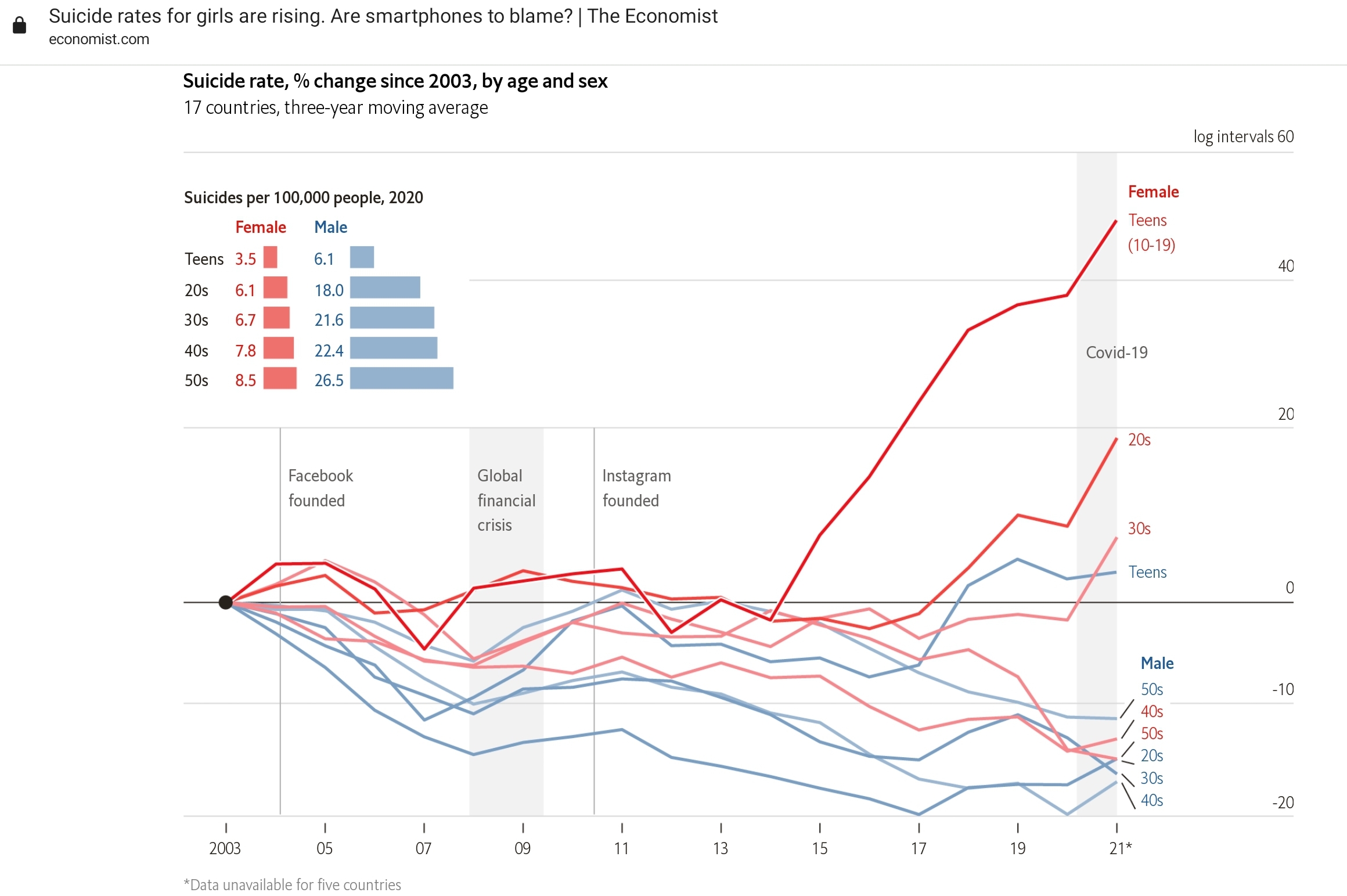
This is heartbreaking. Will it take decades (like it did with tobacco and asbestos) to protect our community from the causes? It’s not new news, here is Jean Twenge in 2017.
If it walks like a duck etc…
In a separate post I cover the acceleration of warnings from credible AI industry insiders such as Geoffrey Hinton.
“Sōng, Sǎn, Tōng, Kòng”
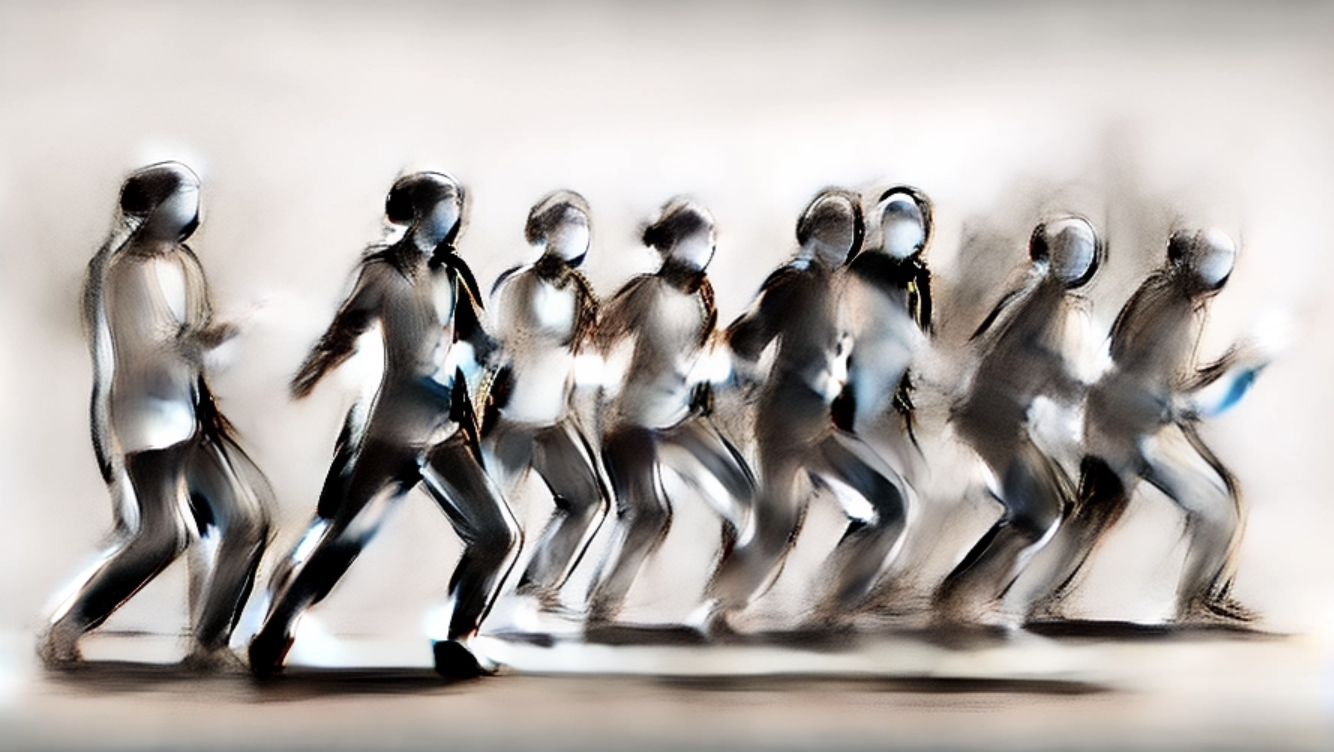
About a year ago, my taichi teacher held up a sheet of paper with 4 characters on it and pronounced the words in the title of this post.
She has not revisited the page again but the first word “Song” (or “Sung”) is at the core of every class. There is enough in this one concept to keep beginners (who are interested enough) to explore, play, work with. There is always more Sung just a moment away.
This is my current understanding – jotting it down, so I can cycle back to them over time. Also to discuss with my teacher and other friends to refine my understanding.
(When I say understanding, I don’t mean just abstract intellectual, but more embodied and felt but also with an accompanying worded clarity).
I’ve read a few of the taichi classics and these four words (as a group) don’t come up, but the meanings resonate to this student anyway.

“Sōng, Sǎn, Tōng, Kòng” represents four key principles in Tai Chi practice:
1. Sōng (鬆): Also spelled “Sung”, refers to the concept of relaxation or more exactly – loosening. In Tai Chi, Sung is the practice of releasing unnecessary tension – initially this might be your body and muscles but during the process there is a loosening from the day’s tensions – so a loosening of the mind takes place.
Discovering Sung starts by feeling areas of increased tension in ones body:
- hitching up your shoulders
- forgetting to breath
- tightening in slow movements as some “performance” antics
- imbalances from not having alignment
- discovering you are too fast or too slow, or just plain wrong in your movement
By non-judgementally sensing the tightening gives the opportunity to feel the relaxation and just how good that feels.
Sung is not floppy – this is not some extreme “melt on the floor into a pool of jelly” thing, the Taichi student still holds their form and follows the sequence – with each moment the changes in weight means there is enough muscle action happening.
Bio-mechanically a loosening is happening at the joints and muscles hanging off the bones rather than binding to them – more energy is available to your body to maintain its core processes and help with wellness.
More esoterically, the wasteful energy being dropped us united to complete the movement – this is where I suspect the 3rd of the 3 treasures (Shen) is generated. Where attention and practice is not scattered.
I’d suggest that movement can and should come from the loosening. That is counterintuitive but possibly a hint as to what “Qi” might be. When you loosen there is a strength that emerges from the space created when tension is dropped.
By cultivating Sung, the Taichi student can improve their balance, sensitivity, and experience a complete difference to the rest of their day.
I’ve written about Sung before here and here.
There is also a clue to loosening emotions and judgement as well. That’s another blog post!
I have less to say about San, Tong, Kong. I am a beginner and only getting early understanding.
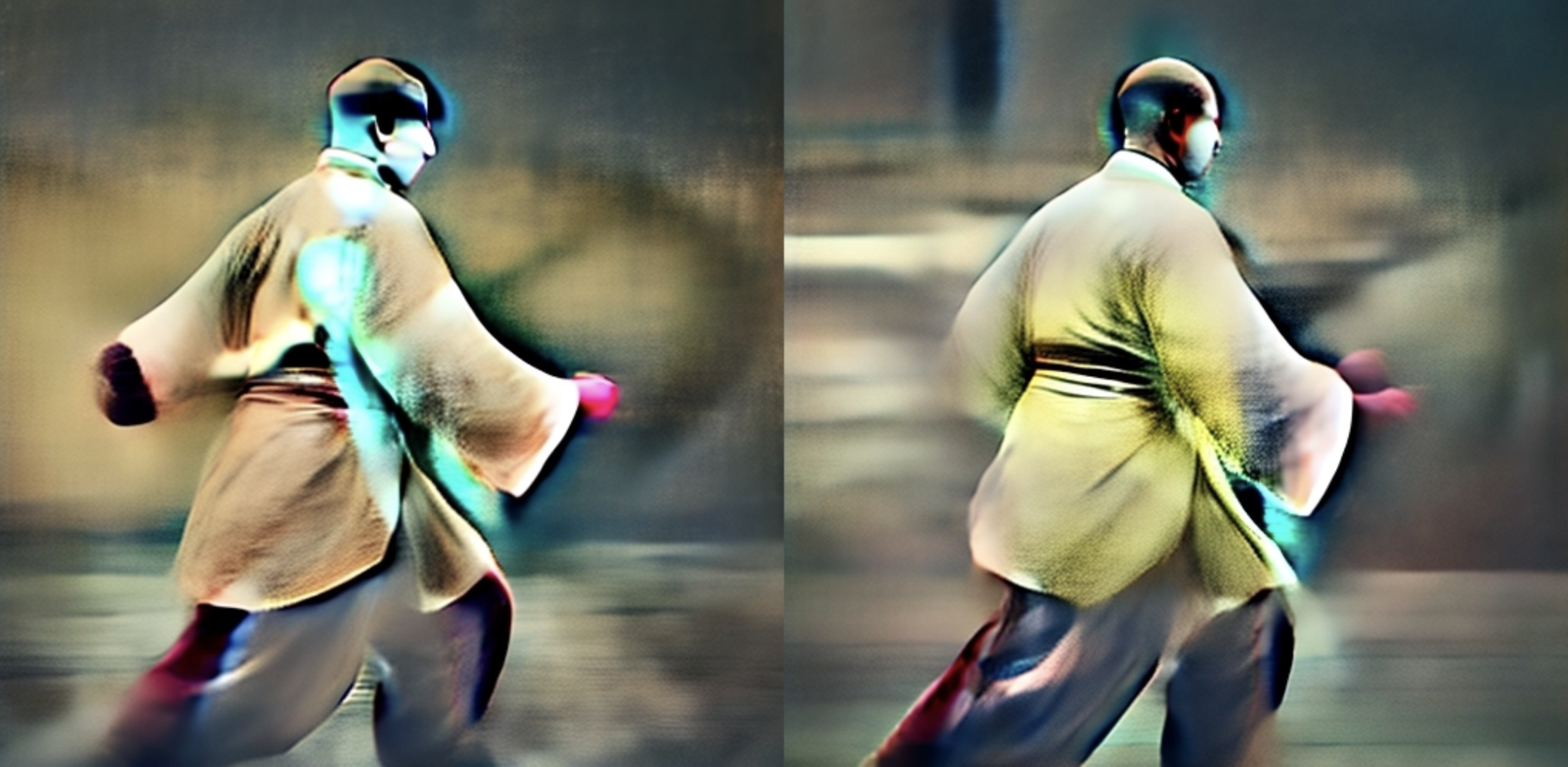
2. Sǎn (散): San is to “spread”. The tightness that Sung remedies is muscular energy locked up in a concentration of location. Sung starts the process of unlocking. So I feel that San is allowing that loosening to dissipate even further.
A very simple experience is Taichi’s preparation position: where the feet standing together simply has the left foot step out to shoulder width. As my right foot takes weight the left foot lifts and any dissipates any energy holding its shape. It’s an instant lesson to discover your foot is arched up, it should be dripping off your leg until the moment when the toes touch at the end of the movement.
Of course you can experience this in all movements and reminds me a the rich experiences of walking meditation in the Mahasi Vipassana tradition.
Beginner students also experience Sǎn in the Yin phase of any movement – the “loosening off” (or yielding) before moving into the next posture. Once you’ve circled into the final phase of a posture you are already circling out with a Yin or yielding way (or at least that is my experience to-date).
Another beginner experience that hints at the martial art practices is the “Lu” or “Liu” in Peng, Lu, Ji, An (Grasping the bird’s tail). Liu has its origins in the martial aspect.
Liu is where you are taking the energy of an opponent and guiding it into a void – the practitioner feels “empty enough” (see Kong) to not meet an opponent’s force head-on but spreading or dissipating their own energy to neutralize or redirect the “attack”. This is why old Taichi guys can beat younger, more energetic opponents – when you are using “Li” (muscular based force, there will always be someone who can overcome you).
I saw this a few weeks ago in a competition where competitor A was easily over 180kg, his opponent B, still solid at 90kg standing at shoulder height of A.
“A” had easily bullied other competitors out of the ring, not expending much energy. When “A” met “B” – it was an ugly bout but I noticed that “B” was rotating around to stay inside the circle and pulsing at “A” – he was oscillating “Liu” and Ji/An very effectively.

“A” was so unfit that he was exhausted and eventually conceded defeat before very nearly needing medical attention. “B” provided a very impressive performance of yielding and Sǎn is at the core.
3. Tōng (通): Tōng is experienced as “connection” or “flow.” My teacher encourages us to experience the “energy waves” the sequences are following the natural currents in the body. With enough Song, San you get moments of feeling less like you are doing the “robot dance” and more the continuity and connectedness of the movement.
For me, “Cloud Hands” was my first game-changing experience of Tong – everything happening at once with epic spaciousness was real connection.
Its easy to get very woo and mystical about “Qi” – here we can practically experience the energy each movement takes throughout the body. Initially gross (course) sensations you are starting to pick up on subtleties.
Another type of connection is continuity: The saying “Qi follows “Yi” has been mentioned in other posts. The Taichi student is not “zoning out”, not being intellectually lazy and copying by rote the teacher or other students. The “Yi” (intention) is actively present and knowing what the next phases of the sequence are. I don’t now if this is part of Tong, but its essential for “flow” in the sequence.
Another saying from the Tai Chi classics points to Tong.
“connected like a string of pearls”
Getting more Tong takes time – a natural cultivation where smoothness is not a “fake it until you make it” performance but snippets will come in time, “Yi” and practice.
4. Kòng (空): Kòng means “empty” or “void.” This reminds me a lot of Buddhist emptiness – where something happening is a creation (or fabrication) of the mind on top of sense perception. Victor Frankel said:
“Between stimulus and response there is a space. In that space is our power to choose our response. In our response lies our growth and our freedom.”
Note also that emptiness is required in the purest martial aspect, see the discussion of Liu above in the San section. A great example is the popular novel Musashi by “Eiji Yoshikawa”, readers would remember he was “empty” of all expectations of his opponent and was able to respond with a very pure precision. (Many Asian Kung Fu movies copy this spontaneous spirit).
In Tai Chi, in my limited experience is allowing the other 3 elements of Song, San, Tong to prepare me for openness in the body and mind. By remaining open and receptive, I can allow the distractions of the mind to take a rest.
I know the meaning and experience of Kong is a lot deeper, I’ll give it some time.

Prometheus, Icarus, Sweetums and Lucifer walk into a bar…
regarding: https://paulkingsnorth.substack.com/p/the-universal
I enjoyed this intriguing and well-written post forwarded to me by a friend. This post has some thoughts:
By proposing (from previous posts) that each age of humanity fixates on a sovereign for their age, he sets out to uncover the someone or something that is the heir to the throne.
Spoiler Alert: its an internet connected AI.
In some ways it’s a companion piece (or err, homage) to Scott Alexander’s Moloch essay, Interesting this was recently discussed at around 42:09 by Max Tegmark who is one of the orchestrators of the GPT Pause letter.
I fear this article overly biases towards a core Christian narrative: that earth is a battleground of good vs evil. Kingsnorth borrows Steiner’s Lucifer, Christ, Ahriman* trinity before dismissing it. I guess he was “steel-manning” Steiner view in order to dismiss it but keep Christ at the middle – much the same as Buddhism’s middle way or Lao Tzu’s water method.
The Problem with Monsters 1
Unfortunately for Kingsnorth, Steiner’s model is the most theologically compelling element of the piece. He does agree “Ahriman, the spiritual personification of the age of the Machine” (updated to the etheric realm emergence of computer and AI tech).
He provides some background that tech perniciously also reprograms us. No arguments there and the AI 1.0 of social media is proof that exponential capitalism has no ethics when it comes to hacking human psychological bugs for profit. John Vervaeke would neutralize this, I can’t recall his exact example but:
- mankind invents a thing for drinking, lets call it a “cup”
- cup is made in the shape most adapted to how we would hold it
- soon when we reach for a cup, our hand forms in the shape of the cup.
- we have “adaptive fit” to the tool
Similarly Yuval Noah Harari asserted that Humans (Sapiens) were conquered by agriculture. That the humble grain dominated us, transformed us, terminated hunter-gatherer societies and gave us bad backs from bending over all the time.
So Kingsnorth is, too, invoking an old human-hacking technology: “story-time with monsters” to deliver a morality tale.
The Actual Themes
And I think that is a disservice to the actual themes:
- what does each age of humanity worship? (in the era of agriculture it was a plough and commerce, in our era Kingsnorth is proposing its internet connected AI and our infatuation with all things computer**).
- Humanity’s track record of hubris in defending (a) has an appalling batting average
- in regards to (b), the exponential technology that the internet and AI is (rightfully pointed out by Tristan Harris) is much worse than Nuclear weapons because those weapons can’t rebuild and “improve” themselves like AI can.
- that AI people are modern hipster versions Saruman’s orc workers, actively constructing the beast to dominate us. They use words like “ushering”, signalling a subservient act, pre-emptively assigning grandeur in a worshipful way to the new intelligence they have a hand in creating.
The Problem with Monsters 2
I’d agree with all this but the disservice is to use amygdala stimulating monster stories to mobilize a response. Perhaps I misquote Einstein: “No problem can be solved from the same level of consciousness that created it.”
Therein lies the questionably efficacy of Christian “battle of light-vs-evil” grand narratives in a post-post-modern world. I am under no delusion that evil doesn’t exist (we all know that as a current within ourselves) but anthropomorphising human psychopathy into entities can’t stop at 2 baddies vs 1 goodie. Why not reel in the whole goetic demon universe?
It strikes me that Tegmark and co’s letter is a more pre-frontal cortex response and therefore more constructive. The debates on that are outside the scope of this post.
Beyond those Amygdala hacking Monsters
I’d propose we drop the ancient myth method of trying to shock us into acknowledging an absence of wisdom and find a new way.
The recent movie “don’t look up”, that Max Tegmark reminds us of is a modern analogy. That our collective hypnosis and daily momentum stops us from acting to protect a better outcome.
For me the movie was a long form of Douglas Adams (in Hitchhiker’s Guide…) hilarious “SEP cloaking device”. In his book, the device is a technology that renders objects invisible by making them seem like they are somebody else’s problem.
Another known metaphor is the frog being boiled in slowly heating water.
My understanding is that from an evolutionary perspective we respond to rapid movements as threats in a linear landscape such as a jungle or savannah. The problem for us now is that changes are exponential and we don’t have evolutionary adapted equipment to see that readily. Couple that with the societal stress of mortgage slavery, capitalist, materialistic fixations and we can’t do more than glance at an “internet connected AI” and not see anything but the SEP cloak.
We need exponential thinkers like Tegmark and (at time of writing this, over) 26.6K signatures to re-program our response, not dismissively (as so many tech-bros would), not naively, not for fear of monsters but no less stridently.
The Tragedy of the Global Commons indeed. I hope Kingsnorth’s post helped people find that new way rather than just shake fists.
Sweetums
So what has this got to do with Prometheus, Icarus, Sweetums and Lucifer?
- Prometheus was a rebel for technological advancement and punished for hubris
- Icarus was test-flighting a new technological advancement and his hubris was his demise
- Lucifer (re-cast by Christians as Satan-like, but originally a bringer of Light***
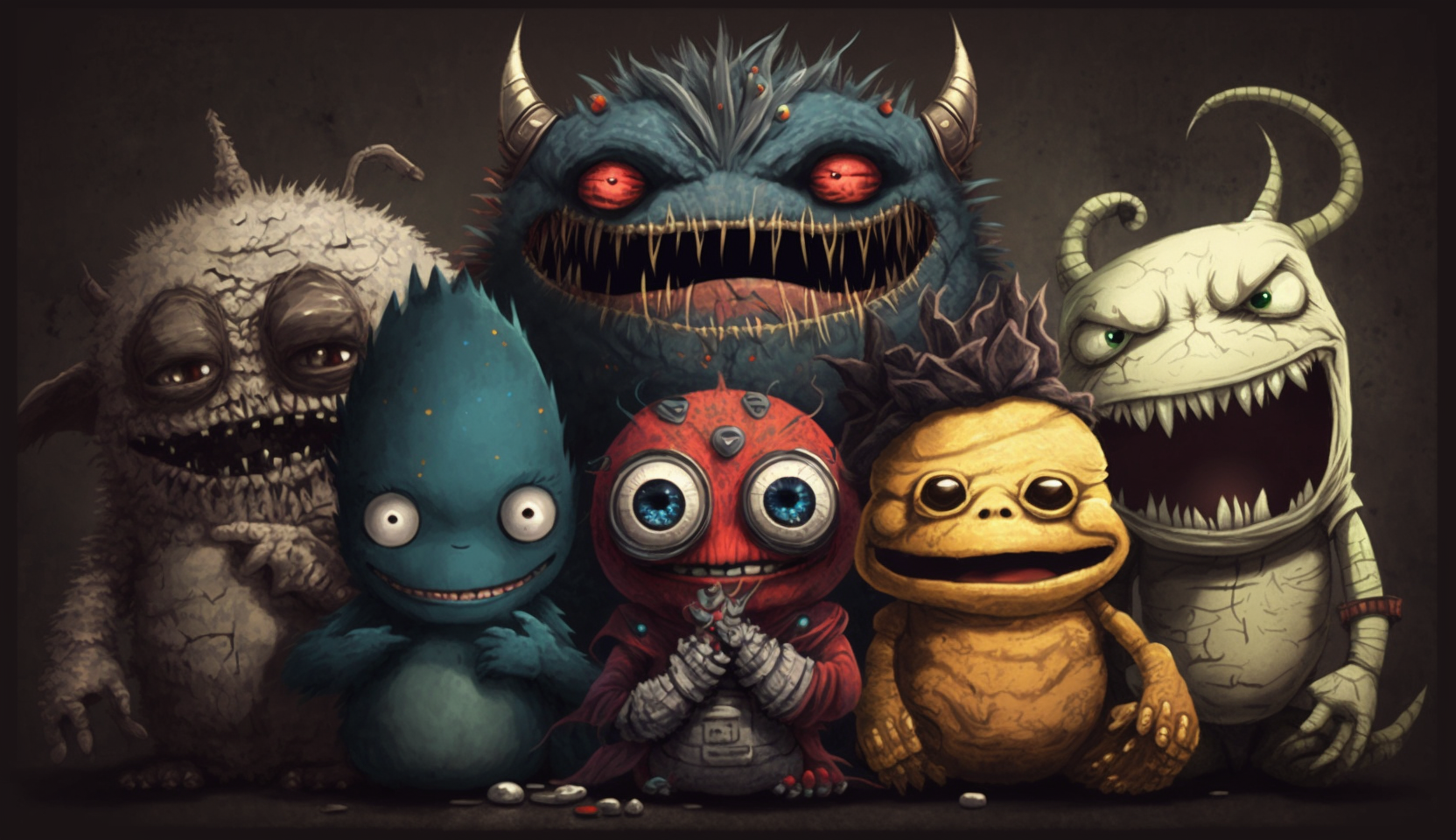
- He’s just a monster. Adults fear monsters, kids have a balance of fear and “delight of fear” 🤔🤗
* Ahriman, a Zoroastrianism representing darkness and evil in material form.
** Is it our love of tech or really is that just a mirror to our love of intellect and facts. We
*** Lucifer, as the fallen angel and one of Steiner’s eternal forces on earth (not Satan) is really the main clue. Controversially, we can take the original morality tale as: “humanity’s greatest evil is to worship mind greater than anything else” – being cast out for his pride and desire for power, he and his followers “fell”, in the intellectual analogue to Adam and Eve’s “fall” desire for knowledge, power and early delights (desires).
As an antidote to us not being the smartest (information processing) beings on the planet, Tegmark proposes some other human traits (especially subjective experience) that perhaps we should celebrate and put at the center of our self-worth. It’s a great proposal and in agreement to my earlier post where I explored this. I updated accordingly.
Startups: Stress, exercise and adrenal exhaustion

Stress is an unfortunate by-product of startup life – both for founders and teams. Picture a small team trying to match a new product to an (often unstated) customer need. Coupled with lack of funding, lack of feedback data, competition, speed of technological change and normal life demands over long periods of time – there is a need to ensure life balances out the stress, choosing the right exercise is an interesting topic.
In an earlier post about mindful stretching, Ashtanga Yoga, Yin Yoga and Tai Chi, I offered a few clues about body chemistry, specifically stress hormones. I also previously I wrote about the parasympathetic nervous system (PNS) benefits of smiling.
SNS–>PNS
As a recap: The parasympathetic nervous system (PNS), is responsible for the body’s rest and relaxation response. This is in contrast to the SNS sympathetic nervous system, which is activated during high-stress situations. See also Vagus nerve or vagal response.
Prolonged chronic stress, such running startups can mean that you are SNS dominant and that’s not great, cortisol imbalances and prolonged stress may lead to adrenal exhaustion. I’ve met founders in this state and know it well myself.
Transitioning from SNS (sympathetic nervous system) to PNS is super valuable for startup people and picking the right exercise depends on your:
- Age (because of the next point 👇)
- Jing (a Daoist concept of life force – perhaps a combo of:
- genetic composition and
- epigenetic factors:
- how well you eat and sleep vs how hard you’ve lived
- SNS Dominant vs PNS Dominant (long term detectable via lab analysis of hair samples, momentary blood or saliva cortisol analysis is not reliable)
- Existing stress state, immunity etc
Hard Arses
Because startup people are “alpha” types they often also workout HARD! (think Tom Gleeson). While regular exercise is FTW, high-intensity workouts create stress because the body will release more cortisol, a stress hormone that:
- can push a person further into SNS
- When cortisol is chronic in its presence and elevation, this may lead to adrenal fatigue
So intense exercise may be a very poor choice for an individual experiencing adrenal exhaustion or cortisol imbalances.
Choice for Age and Jing
Younger people generally have more Jing and therefore intense exercise is a reality, but hopefully can attitudinally adjust to also be self nurturing and “Jing preserving” (a large and controversial topic!).
The reality is that successful startup people stay in startups and don’t grovel back to corporate. So Aging becomes a factor sooner or later.
PNS Promoting Exercise
To break the cycle of stress hormones circulating, your exercise should induce recovery as a priority, here are some:
“Sung” exercise
Sung exercise was suggested in this post as “loosening” and PNS promoting. By bringing mindfullness, breathing I find that I can break the cycle of “go” energy with the added benefit of more connectedness into where the body is tight, actively feeling the letting go and the cognitive benefits of actually increasing awareness of your internal state.
Yin Yoga
According to the hard arse principle above, I’ve only recently been experimenting with this. I don’t enjoy Yin yoga, in class I’m ruminating: “is this actually doing anything?”, “am I wasting an hour”. Yet I do feel better (a lifted more optimistic state) afterwards.
Passive Exercise
Passive exercise, such as sensory deprivation or sauna sessions promote relaxation and reduce cortisol levels, which is particularly beneficial for those with adrenal issues.
When the body is exposed to a mild stressor, such as thermal stress (such as sitting in a sauna) or cold stress (such as cold showers or dips in cold water) this kind of passive exercise helps trigger hormetic stress – I don’t know if this is PNS or SNS promoting** but you can breath into the stress when it builds – this promotes cellular health and improves the body’s ability to adapt to stressors over time.
Evening gentle stretch
Typically in the last hour before sleep I do some simple stretches while the TV is on – mostly yogic floor and a few lengthening stretches from 8 Brocades. Gentle, exploratory movement can be particularly beneficial for individuals experiencing stress, adrenal exhaustion or other adrenal-related issues.
Other Life balancing activities
Walking, swimming especially in nature will yield rewards.
Alcohol Reduction
I read/heard recently that alcohol actually reduces your ability to reduce stress naturally. I can’t be bothered looking for that reference now, but any alcohol reduction sounds (I didn’t say elimination 😀) is a positive.
Conclusion
In conclusion, these practices are things I use to support adrenal health and promote recovery and re-balancing. By promoting the parasympathetic response, reducing cortisol levels, and triggering hormetic stress, these practices and exercises can help reduce stress, promote healing, and support long-term health and wellbeing.
** area for further research
References
I asked GPT for some science to backup my wild empirical assertions.
- Huberman, A. (2021). Episode 34: Andrew Huberman on the Neurobiology of Stress, Relaxation, and Sleep. The Rich Roll Podcast. Retrieved from https://www.richroll.com/podcast/andrew-huberman-533/
- Alkadhi, K. A., & Zelber-Sagi, S. (2021). Sauna bathing for health: An underexplored opportunity. Journal of clinical gastroenterology, 55(6), 455-462. doi: 10.1097/MCG.0000000000001532
- Choi, J. H., Park, M. K., & Lee, H. J. (2019). Effects of sensory deprivation in a floatation tank on mood states, cortisol level, and muscle soreness in elite athletes. Journal of sports science & medicine, 18(3), 490-497.
- Farias, D. L., Rechia Fighera, T. M., Kruel, L. F., & Cadore, E. L. (2021). Hormesis and physical exercise: A narrative review. Ageing research reviews, 66, 101259. doi: 10.1016/j.arr.2021.101259
- McEwen, B. S. (2015). Neurobiological and systemic effects of chronic stress. Chronic stress, 1, 1-11. doi: 10.1177/2470547015577616
- Zhang, J. W., & Piff, P. K. (2019). An integrative review of the physiological and psychological effects of floating restricted environmental stimulation technique. Frontiers in psychology, 10, 404. doi: 10.3389/fpsyg.2019.00404